Dependable Auto Repair: Protecting Your Vehicle in Prime Condition
A solid auto repair service plays an essential role in maintaining a vehicle's performance and durability. Regular upkeep helps uncover issues early, circumventing costly fixes down the line. Selecting the ideal mechanic can substantially influence the standard of service and care a vehicle receives. Understanding fundamental maintenance and the importance of proactive care is necessary for every car owner. What are the telltale signs that a vehicle needs service, and how can one ensure they are making prudent choices?
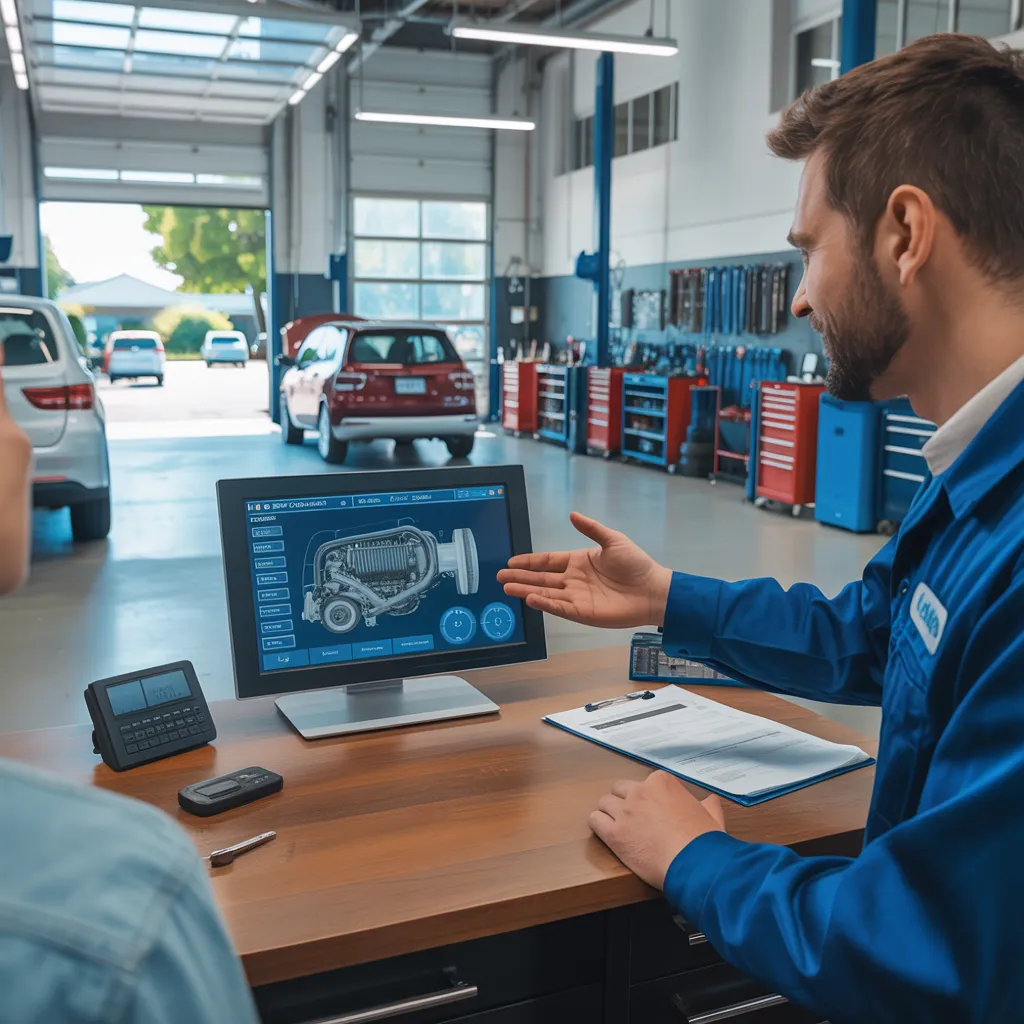
Why Ongoing Maintenance Is Important for Your Motor Vehicle
Maintaining a vehicle regularly is essential as it not only extends the lifespan of the car but also guarantees peak performance. Routine checks including oil changes, tire rotations, and brake inspections allow spotting potential problems before they escalate to costly repairs. A well-maintained vehicle functions more efficiently, resulting in better fuel economy and lowered emissions. Furthermore, regular servicing confirms that safety features work properly, protecting both the driver and passengers.
Disregarding routine care can provoke considerable difficulties, often triggering failures or reduced dependability. By adhering to a systematic service program, car owners can preserve their financial stake and increase resale value. Additionally, numerous makers demand routine service to copyright guarantee protection. In conclusion, stressing maintenance creates a safer driving experience while promoting longevity and efficiency, making it an indispensable practice for every vehicle owner.
Signals Your Vehicle Requires Immediate Repair?
When a car displays unusual noises while operating, it may suggest a serious issue that warrants urgent care. Additionally, alert indicators illuminated on the instrument panel serve as essential alerts to possible issues. Liquid seepage found underneath the vehicle additionally indicate the necessity of quick maintenance to prevent greater deterioration.
Uncommon Sounds While Driving
In what ways can drivers tell if their car is experiencing distress? One vital indicator is the presence of unusual noises while operating. These noises typically indicate underlying issues that require immediate focus. As an example, a squeaking or grinding noise may suggest brake issues, while a knocking sound might suggest engine trouble. A high-pitched whistle could point to transmission or serpentine belt problems. Drivers must also listen for any rumbling or thumping, which may signify tire or suspension issues. useful information Disregarding these noises can cause more severe damage and costly repairs. Therefore, it is crucial for drivers to stay watchful and seek professional support when they detect any abnormal sounds during their journeys.
Alert Indicators Glowing
Warning lights shown on a vehicle's dashboard function as vital signals of possible problems that require prompt action. Each light conveys important information about the vehicle's health, spanning from small issues to major failures. For instance, the check engine light may suggest problems with the engine or emissions system, while the oil pressure light indicates a decrease in oil pressure, possibly causing to engine damage. Other lights, such as those for the battery or brakes, can alert to immediate maintenance that, if disregarded, might compromise safety. Drivers should not dismiss these warnings; prompt inspections and repairs can avoid further damage and ensure the vehicle operates efficiently. Recognizing and addressing these alerts is essential for maintaining a dependable and secure vehicle.
Liquid Leaks Below Your Vehicle
Fluid leaks underneath a vehicle often indicate that immediate attention is needed. Identifying the kind of fluid can provide insight into the seriousness of the problem. Common leaks include oil, coolant, brake fluid, and transmission fluid, each indicating different issues. For instance, an oil leak may suggest worn seals or seals, while coolant leaks could indicate a damaged radiator or hoses. Brake fluid leaks are particularly worrying, as they can jeopardize vehicle safety. Drivers should check any puddles or stains, observing color and consistency, to help with diagnosis. Ignoring these leaks can cause more significant damage and costly repairs. Consequently, timely intervention is vital to guarantee the vehicle operates safely and efficiently.
How to Select the Right Auto Technician for Your Requirements
Picking the right mechanic can feel overwhelming; yet, making an smart decision is essential for vehicle maintenance and repair. As a first step, one should seek recommendations from friends, family, or online reviews, because personal experiences often produce valuable insights. Evaluating a mechanic’s credentials is vital; certifications from recognized organizations indicate a level of expertise and professionalism.
Next, potential customers should evaluate the shop's specialization. Some mechanics concentrate on specific brands or types of vehicles, which can boost the standard of work. A visit to the facility can also display its cleanliness, structure, and customer service approach, all of which indicate the overall quality of work.
Finally, obtaining estimates for services can help gauge pricing fairness. Creating a positive relationship with a technician may lead to a reliable lasting partnership, ensuring that vehicle needs are addressed effectively and efficiently.
Critical Solutions Rendered by Trusted Auto Repair Shops
While many vehicle repair facilities provide a range of services, reputable ones typically provide vital maintenance and fix options that maintain vehicles operating efficiently. These services often include routine oil change services, which are critical for engine condition, and tire rotation services, ensuring uniform wear and extending tire lifespan. Reputable shops also conduct comprehensive examinations, identifying possible problems before they develop into expensive repair work.
Brake services are crucial, as they ensure optimal safety and driving performance, while battery testing and replacement services prevent unexpected breakdowns. Furthermore, cooling system maintenance prevents overheating, a common issue in many vehicles. Trusted auto repair shops also provide transmission services, essential for smooth gear shifts.
Finally, they consistently provide diagnostic services with state-of-the-art tools to pinpoint issues correctly. By offering these vital offerings, established automotive repair centers contribute greatly to automobile lifespan and reliability, fostering patron confidence and fulfillment.
Tips for Preserving Your Car's Condition
Preserving a vehicle's performance requires attention to key components, such as regular oil changes and tire maintenance. Consistent oil changes promise the engine operates smoothly, while proper tire care improves safety and fuel efficiency. Together, these practices play a major role in the longevity and reliability of any vehicle.
Regular Oil Changes
Routine oil changes are essential for optimal car operation, as they ensure the engine runs smoothly and efficiently. Engine oil lubricates moving parts, decreasing friction and wear. Over time, oil becomes contaminated with dirt and debris, diminishing its effectiveness. Neglecting oil changes can lead to greater engine wear, overheating, and potential damage. Most manufacturers recommend changing the oil every 3,000 to 7,500 miles, depending on the vehicle and oil type. Regularly checking oil levels and quality is also crucial. Using the correct oil grade specified in the owner's manual assures ideal performance. By adhering to a regular oil change schedule, vehicle owners can extend engine life, improve fuel efficiency, and maintain overall vehicle reliability.
Tire Management Best Practices
Ensuring optimal tire maintenance is essential for maximizing vehicle efficiency and safety. Regularly checking tire pressure is necessary; under-inflated tires can lead to decreased fuel efficiency and greater wear. Maintaining adequate tread depth is also necessary, as insufficient tread can weaken traction and handling. Rotating tires every 5,000 to 7,500 miles supports even wear, increasing their lifespan. Additionally, visual inspections for damage, such as cracks or bulges, should be conducted regularly. A wheel alignment helps prevent uneven wear and improves steering response. Finally, balancing tires reduces vibrations, providing a smoother ride. By adhering to these tire maintenance tips, vehicle owners can noticeably improve both performance and safety on the road.
The Manner Preventive Maintenance Determines Auto Repair Needs
Preventive maintenance functions as a pillar for the longevity and reliability of vehicles, significantly affecting the requirement for auto repair. Routine planned services like oil changes, tire rotations, and brake inspections enable detection of potential problems before they escalate into expensive repairs. By adhering to a preventive maintenance schedule, vehicle owners can minimize the possibility of unexpected breakdowns and extend the life of vital components.
Additionally, routine upkeep improves the vehicle's general functionality and fuel efficiency, leading to a more comfortable ride. Ignoring these essential services can lead to more severe mechanical failures, resulting in prolonged inactivity and higher repair costs. Overall, a proactive approach to vehicle care not only guarantees safety but also promotes long-term savings, rendering routine upkeep an essential aspect of responsible vehicle ownership.
What to Expect During Auto Maintenance
After emphasizing routine upkeep, vehicle owners may sometimes find themselves needing auto repairs. During the service procedure, multiple important steps are typically involved. Initially, the technician will perform a detailed inspection to identify the issue, identifying the underlying problem of the problem. Following this, the repair shop will provide an estimate, outlining necessary repairs and parts required, guaranteeing transparency in costs.
Once authorization is given, the repair specialist will proceed with the repairs, which may involve part replacement, fixing systems, or performing adjustments. Throughout this procedure, dialogue remains essential; many shops will offer updates on progress and any unforeseen complications.
Upon completion, vehicle owners should expect a thorough explanation of the work completed, paired with recommendations for future maintenance. This ensures that the automobile remains in excellent condition, boosting dependability and performance. Grasping this procedure can diminish uncertainty and cultivate trust between the client and the service facility.
Frequently Posed Questions
What is the optimal frequency for Tire turning?
Tires ought to generally be rotated every 5,000 to 7,500 miles, or per the car manufacturer guidelines. Frequent rotation supports consistent tire wear, extends tire durability, and strengthens overall car operation and road safety on the road.
What Coverage does a Vehicle Warranty Provide?
A vehicle warranty usually covers defects in materials and workmanship, specific repairs, and replacement coverage for designated components. Coverage varies by manufacturer and might encompass powertrain, comprehensive, and rust warranties, each with different specifications and conditions.
Am I Able to do My Own care?
Yes, folks can perform their own maintenance on cars. However, they should confirm they follow manufacturer guidelines to avoid canceling warranties. Proper knowledge and equipment are essential for safe and efficient vehicle care.
What Signs Show if My Battery Necessitates Substitution?
A battery may require changing if it displays indicators like sluggish engine starting, corrosion on terminals, fading lights, or if it's over three years old. Testing voltage can also confirm its condition and lifespan.
What Common Falsehoods Surround Auto Upkeep?
Common myths about auto repair include assumptions that high-octane gasoline is invariably better, all repairs are costly, and factory warranties prevent third-party service. Incorrect assumptions can lead to unnecessary costs and delays in maintaining vehicle performance.